 by
by As the Malta FA Awards return with familiar structural gaps in the women’s categories, unanswered questions surrounding a fixture clash between Malta’s men’s and women’s national teams add to a wider discussion around recognition and visibility within the game.
Malta FA Awards Reopen Familiar Questions
One year after discussions around the Malta FA Awards criteria drew attention to inconsistencies in how the women’s game was recognised, many of the structural questions raised around the women’s categories remain unresolved.
Announcing the nominees for the 2026 edition of the awards on Tuesday, Malta FA Vice President Adrian Casha described the ceremony as recognising “the best performers in the men’s and women’s domestic leagues”, while also honouring figures who “stand out as true gentlemen and ambassadors of the beautiful game of football.”
Yet while the statement projects a unified image of recognition across Maltese football, the structures underpinning the awards continue to leave several questions unanswered — particularly around how the women’s game is defined, evaluated and ultimately acknowledged within the wider ecosystem.
An Award Still Difficult To Define
At the centre of that discussion remains the MFA Footballer of the Year award.
Despite often being publicly framed around domestic football, the regulations governing the award are not tied specifically to league participation, but instead to national-team eligibility. Players eligible to represent Malta internationally are able to be nominated regardless of whether they play domestically or abroad.
That ambiguity exists across both the men’s and women’s categories.
In practice, however, the women’s award has increasingly become tasked with balancing multiple interpretations of excellence at once — domestic success, overseas performances, national-team contribution and individual consistency — without any clearly outlined weighting behind them.
The result is an award which often appears to ask voters to compare fundamentally different football realities without clearly defining what the category is ultimately intended to recognise.
The Nominees Are Not The Issue
This year’s shortlist itself reflects that breadth.
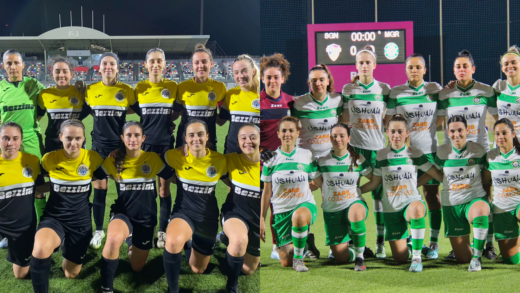
Mgarr United duo Yulya Carella and Amber Grech were central figures in the club’s historic campaign, helping guide the Greens toward a maiden Assikura Women’s League title alongside the Jubilee Cup and Assikura Women’s Knockout.
Carella’s season in particular blended decisive moments with spectacle, the midfielder repeatedly driving Mgarr forward while developing a growing influence within the national team setup. Her knack for producing goals from distance became one of the defining visual threads of Mgarr’s season.
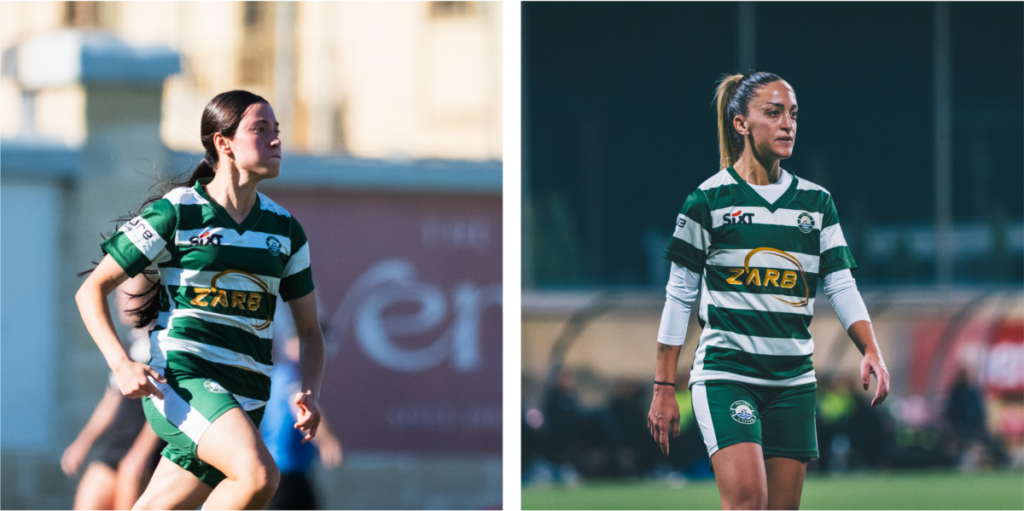
Grech meanwhile carried significant responsibility through difficult stretches of the campaign, particularly amid injuries elsewhere in the squad, with her influence often extending beyond the pitch as one of the side’s more experienced figures.
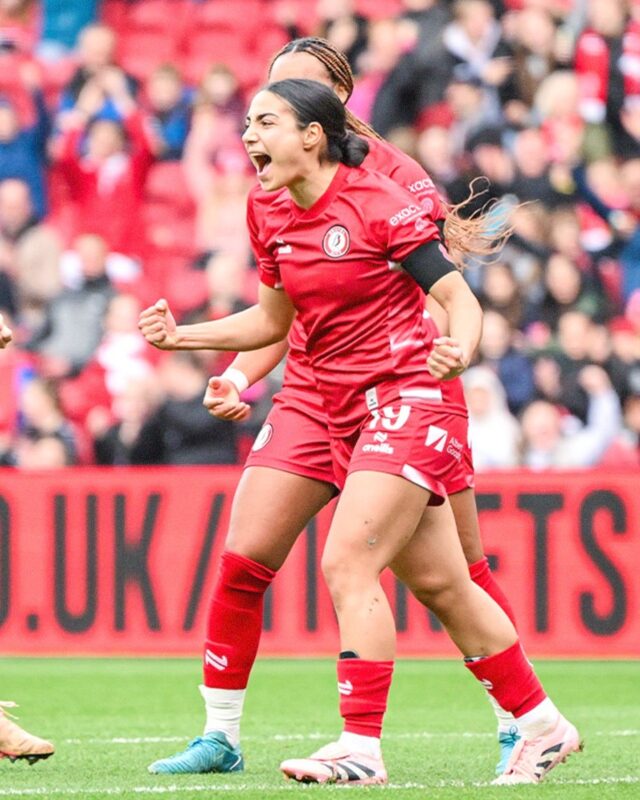
Maria Farrugia once again earned nomination recognition following another strong campaign abroad with Bristol City in England’s Women’s Championship, where her ability to carry play forward and influence transitions remained a key feature both for club and country. Farrugia also scored three of Malta’s six goals during the international campaign.
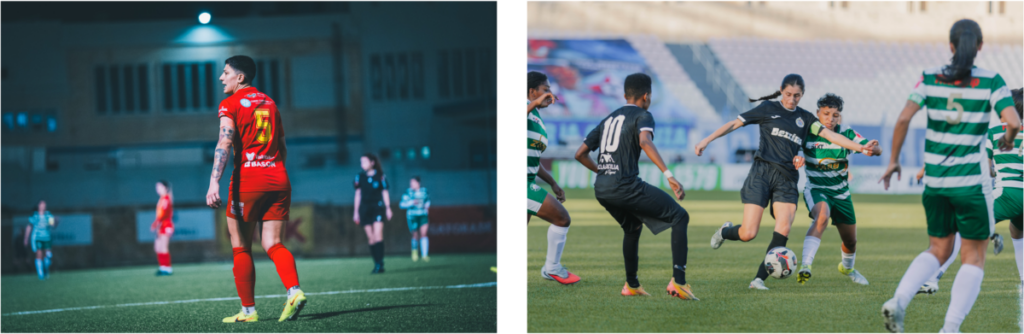
Veteran defender Stephania Farrugia returned from serious injury to anchor a turbulent Birkirkara season, contributing goals and assists despite recurring fitness setbacks, while Nicole Sciberras continued to shoulder responsibility within a youthful Hibernians side through a season where her consistency and leadership often stood out despite the club falling short of silverware.
None of the nominees appear out of place within the conversation surrounding the women’s game this season.
If anything, the shortlist underlines the depth of different profiles currently emerging across Maltese women’s football — title winners, overseas professionals, experienced leaders and players increasingly transitioning toward larger national-team roles.
The Omission That Sharpens The Ambiguity
Yet the nominations themselves also underline the difficulty in clearly defining what the award is ultimately intended to recognise.
Haley Bugeja’s omission inevitably raises further questions in that regard.
The Inter forward enjoyed arguably one of the strongest club seasons of her career, contributing 11 goals across domestic and European competitions as Inter finished second in Serie A and reached the round of sixteen during the club’s continental debut campaign in the inaugural UEFA Women’s Europa Cup. Bugeja also earned recognition abroad through Serie A Team of the Week inclusions and fresh among the selection within Athora Game On’s Best Under-23 XI.
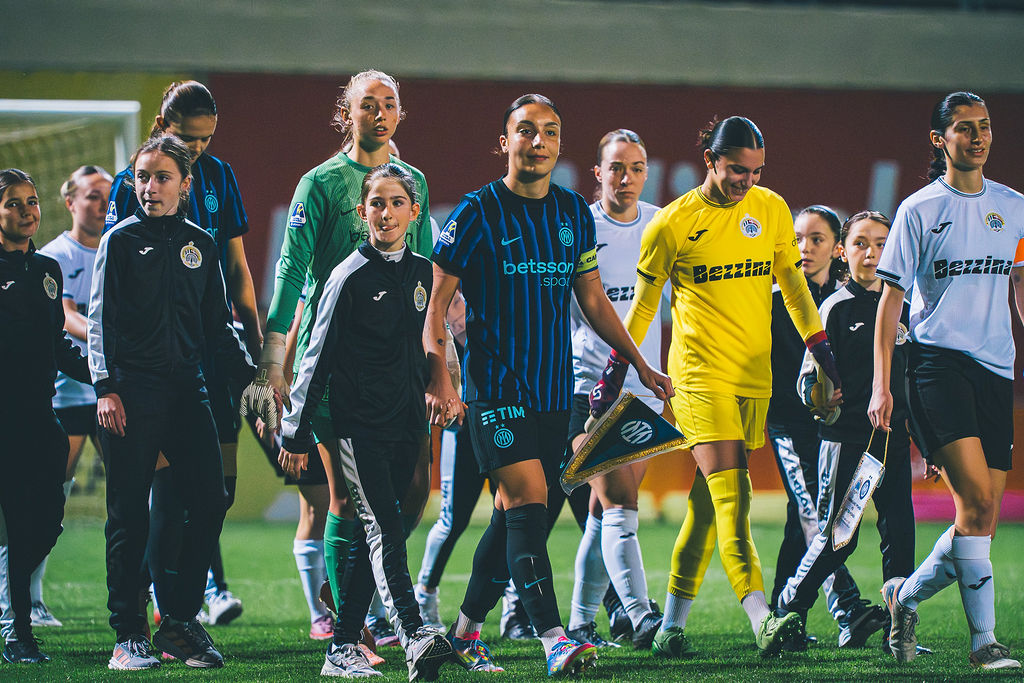
Last season, Bugeja had still been nominated despite arriving from a comparatively quieter club campaign, alongside Maria Farrugia, who at the time had arguably produced the stronger season abroad.
With the regulations unchanged and overseas-based players clearly remaining eligible, the contrast between the two years does not necessarily suggest that any of this season’s nominees were undeserving. If anything, it instead reinforces how difficult it remains to clearly identify the framework through which performances are being interpreted and compared.
A Single Category Carrying Too Much Weight
That uncertainty becomes even more noticeable within the wider structure of the awards themselves.
While the men’s game includes separate recognition for Coach of the Year and Foreign Player of the Year, the women’s game contains no equivalent categories despite the increasing presence and influence of overseas players within the Assikura Women’s League. Coach of the Year eligibility is restricted specifically to coaches within the top men’s division, while the Best Foreign Player award is likewise limited to the men’s Premier League.
At senior level, the women’s domestic game still lacks league-specific recognition for best player, best coach or best foreign player, with the MFA Footballer of the Year category effectively carrying the weight of recognising both domestic and overseas excellence simultaneously.
That contradiction becomes more noticeable when viewed against the broader structure surrounding the men’s game. While the men’s Premier League itself also lacks a dedicated Best Player award, the surrounding ecosystem still provides additional recognition layers through coaching and foreign-player honours which have no equivalent within the women’s game.
The result is not necessarily unequal recognition in absolute terms, but a women’s structure that often feels less specifically defined.
Recognition Exists, But Gaps Remain
The imbalance does not mean recognition for women’s football is entirely absent.
Besides the Footballer of The Year, the Assikura Youth League Best Player category remains dedicated specifically to the women’s youth game, where Nyorah Celeste (Hibernians FC), Stella Francalanza (Birkirkara FC), Eva Koneva (Swieqi United) are nominated award, alongside the Women’s League Top Scorer category who will be claimed by Swieqi United’s Salamatu Abdulai.
The Gozitan Achievement Award has consistently recognised female players since its introduction. This year’s nominees include Mgarr United’s Rebecca Bajada and Leanne Cefai alongside Swieqi United’s Benjamin Hili, continuing a trend which previously saw Ann-Marie Said and Maria Farrugia recognised through the same award.
Inclusions continue to show that recognition for the women’s game does exist within the awards structure and that the different facets of the Association have, at various moments, acknowledged the contributions of female players across different levels of Maltese football.
Yet it is perhaps the contrast between those positive steps and the broader gaps elsewhere which continues to fuel discussion surrounding the awards.
The Fixture Clash And The Questions Left Unanswered
The wider inconsistencies surrounding visibility and prioritisation also extend beyond the awards themselves.
Last week, the Malta FA formally announced a men’s national-team friendly against Azerbaijan scheduled for 5 June at 20:00 CET.
On the same evening, Malta’s women’s national team is scheduled to face Switzerland in a FIFA Women’s World Cup qualifying fixture, set by UEFA well in advance as part of the international calendar.
As of publication, the women’s fixture had not been formally acknowledged through an equivalent MFA release.
That silence also leaves another question unresolved. With the two matches set to overlap, how will the broadcasting of both fixtures be handled?
Historically, the men’s national team has tended to receive greater visibility and promotional focus. That may yet prove to be incorrect in this case. But without clarification from the Association, the question remains open.
Questions sent by The Sporting Fan to the Malta FA regarding efforts made to avoid the scheduling clash, together with requests for clarification surrounding broadcasting arrangements for both fixtures, remained unanswered at the time of publication.
Individually, each of these discussions may appear manageable in isolation — an unclear award identity here, an absent category there, a communication gap elsewhere.
Collectively, however, they continue contributing toward a wider sense that while the women’s game in Malta is repeatedly spoken about as growing, improving and increasingly important, the structures surrounding its recognition and visibility still appear to be evolving at a noticeably slower pace.
And perhaps that is where the discussion surrounding the Malta FA Awards ultimately continues to return.
Not whether the women’s game deserves recognition within Maltese football — that much has long since become evident through the progress visible across recent seasons. Maltese clubs have continued finding success in European competition, players have increasingly established themselves within some of Europe’s stronger leagues, while Malta’s Women’s National Team has now achieved promotion from its Nations League group on two separate occasions.
The question increasingly surrounding the game is no longer whether that progress exists, but whether the institutional structures around it have evolved quickly enough to reflect the reality now unfolding in front of them.
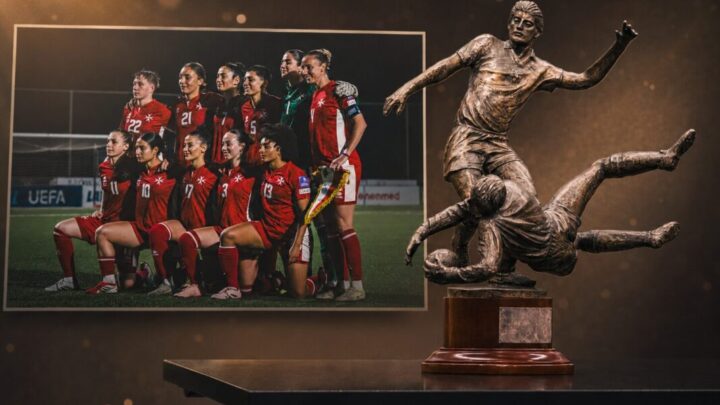
Lead Images: Malta FA (trophy) / Brandon Bonett (Malta Team Photo)